

Abano Terme
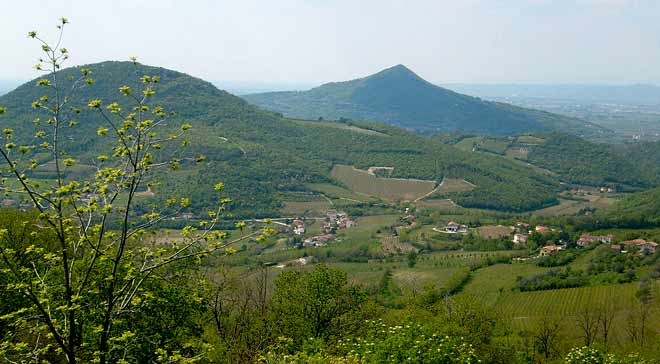
Ábano Terme lies along the north-eastern edge of the Euganean Hills and is the main centre of the Euganean Spas.
It stands in an extinct volcanic area, within the metropolitan area of Padua, 10 km south-west of the provincial capital, at an average altitude of 14 metres above sea level.
Its inhabitants are called aponensi.
The therapeutic benefits drawn from the thermal waters, combined with the highly organised hotel infrastructure, which offers hospitality to more than 250,000 tourists every year, make Abano one of the most important mud-therapy and thermal resorts in general in the world.
The Euganean Hills were formed about 34 million years ago from the alluvial deposits of the Po Valley associated with local volcanic phenomena.
The morphology that thus settled favoured the formation of hot thermomineral water springs, as well as the settlement in the area of populations drawn by the beneficial effects of such waters.
Abano Terme has been known since the 6th century BC; the ancient centre was located in the territory of the present municipality of Montegrotto Terme, as documented by archaeological excavations and the numerous finds preserved in the archaeological museums of Padua and Este.
The importance the place held in antiquity is documented by the mentions of numerous Latin writers, including Pliny the Elder, Martial, Livy (who, according to a verse by Martial, is said to have been born here), Suetonius, Cassiodorus, Claudian, under the name of "Aquae Patavinorum".
Again according to Martial, besides Livy, the poets Gaius Valerius Flaccus and Arruntius Stella are also said to have been born here.
According to some sources, the origin of the name derives from Aponus, the god of the thermal waters, whose name in turn is said to go back to the Indo-European root "Ap" meaning "water".
The ancient spas occupied a vast area on the eastern slope of the Euganean Hills and reached their greatest splendour in the imperial age.
Suetonius, who wrote at the turn of the 1st and 2nd century AD, reports that Tiberius, on his way to wage war in Illyria, stopped at the temple of Aponus to consult the oracle about the outcome of the war: having received a favourable response, he threw some golden dice into the spring.
It was in those years that Padua and the neighbouring territories became a Roman municipium, and the local nobility, in imitation of what was happening in Rome, gave great importance to spa treatments, developing the activity and the related infrastructure. (Source: wikipedia)